How to Reduce Anxiety and Reclaim Your Peace

Anxiety is part of the human experience—an emotion that whispers (or sometimes shouts) that something is uncertain or unsafe. It’s a signal, a call to pay attention. But when anxiety becomes chronic, it can feel like a heavy chain holding us back from living wholeheartedly. The good news? We can develop practices that help reduce anxiety and return to a grounded, present state.

Over the years, I’ve learned that anxiety often feeds on fear and the stories we tell ourselves. Let’s dive into some practical ways to reduce its grip.


1. Name It to Tame It

Anxiety thrives in ambiguity. A phrase first coined by psychiatrist Dr. Dan Siegel, “Name it to Tame It” is the first step in lowering anxiety levels. By identifying what you’re feeling, you reduce the intensity of the anxiety you’re experiencing. Are you nervous, scared, overwhelmed, or uncertain? Naming the specific emotion creates space between you and the anxiety. It signals to your brain: I see you, but you don’t control me.

Practice:
When anxiety arises, pause and ask yourself:

  • What am I feeling right now?
  • What is this anxiety trying to tell me?

Writing your thoughts in a journal can also help externalize the emotion, making it feel more manageable.


2. Challenge the Stories in Your Head

Anxiety often spins narratives about worst-case scenarios. These stories are rarely accurate, but they feel real because they tap into our vulnerabilities. When you feel anxiety building, pause and question the story you’re telling yourself.

Ask:

  • Is this story true?
  • What’s another possible explanation?
  • What would I tell a friend in this situation?

Consciously reframing the narrative with a more positive or realistic one helps you regain control of your perspective.


3. Connect with Your Breath

Our breath is a powerful tool for regulating our nervous system. When we’re anxious, our breathing becomes shallow, reinforcing the body’s stress response. Slowing down and deepening your breath can calm the mind and body almost instantly.

Try this “Box Breathing” exercise:

  • Inhale deeply for four counts.
  • Hold your breath for four counts.
  • Exhale slowly for six counts.
  • Repeat for a few minutes.

This practice shifts your body from the sympathetic nervous system, or fight/flight/freeze response, to the rest-and-digest response of the parasympathetic nervous system.


4. Build a Resilience Toolkit

Resilience isn’t about avoiding anxiety—it’s about learning to navigate it. Cultivating small daily habits can create a foundation of calm.

Ideas for your toolkit:

  • Movement: A walk, yoga, or dance can release pent-up energy.
  • Gratitude: Write down three things you’re thankful for daily.
  • Connection: Share your worries with a trusted friend or loved one.
  • Nature: Spend time outside to reconnect with the bigger picture.
  • Journaling: Write down your thoughts and feelings. If you notice a pattern of negative stories, actively reframe them into more positive narratives.
  • Prayer or meditation:
    The practice of prayer can lead to comfort and peace. Studies show it reduces muscle tension, slows your heart rate, and can actually change your brain chemistry.
  • Know when to ask for help: If you continue to struggle with anxiety or it feels overwhelming, consider therapy to gain tools for managing your inner narrative

These practices remind us that we are capable, grounded, and supported.


5. Be Compassionate with Yourself

Anxiety can make us feel weak or flawed, but it’s just part of being human. Instead of judging yourself, practice self-compassion. Speak to yourself with the same kindness you’d offer a struggling friend.

Positive Affirmations to try:
“I’m doing the best I can, and that’s enough.”

“I am not my anxiety.”

“I am present, calm, and focused.”

“I am safe and protected.”


6. Seek Help When Needed

Sometimes, anxiety feels too big to handle alone. There’s no shame in reaching out to a therapist or counselor. In fact, it’s one of the bravest steps you can take toward healing.


Anxiety doesn’t have to dictate your life. By acknowledging it, challenging it, and building habits that foster resilience, you can reduce its impact and create space for joy and connection. Remember, you are not alone in this journey—and you are stronger than you think.
To Open Doors and Late Night Talks

When my feet find their way unbidden to your front door, it thrills me to my tired toes to see the welcome mat already out and the porch light on. Cheery blooms wave their hello and you always have time for a chat. I just love that. Part of me often wonders if you were expecting me, for you rarely seem surprised. Even driving home from college on impulse, you knew when I was coming.

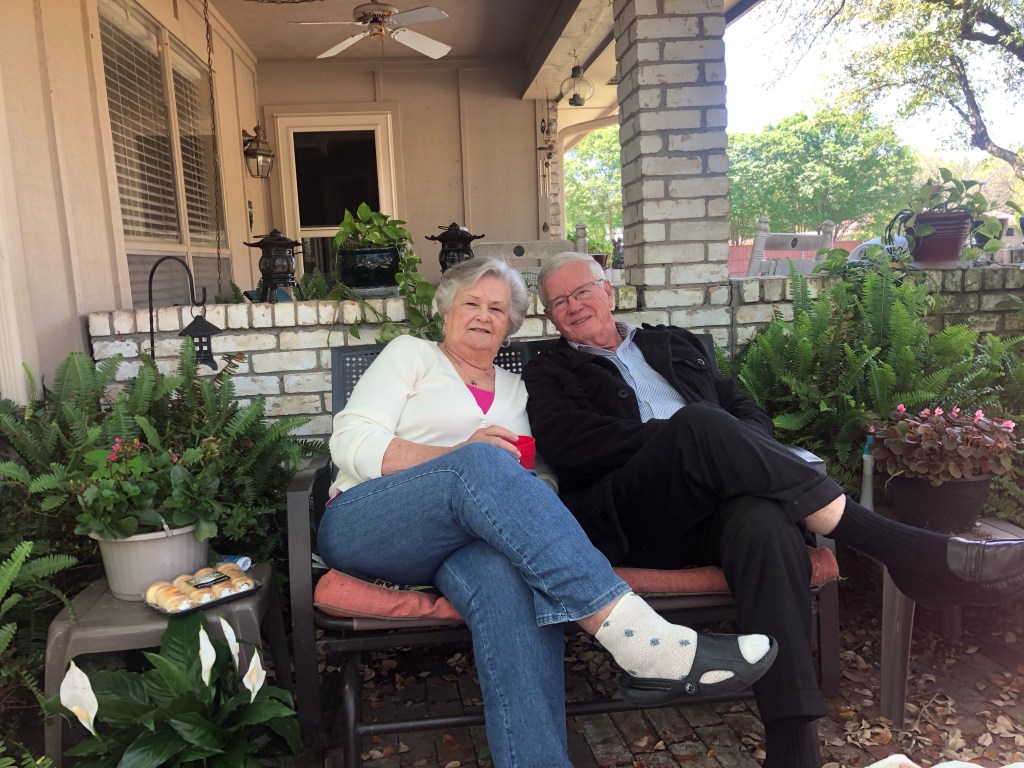
The cool oasis of fern and flower you’ve created under the oak tree that somehow survived being mowed over repeatedly as a sapling, is now a haven on a hot summer day. Fresh iced tea in the glasses- yours always tastes the best. The smell of earth and foliage as you water and evening comes, bread crumbs tossed out for the birds, and grandchildren hanging from every limb of yet another stubborn tree.

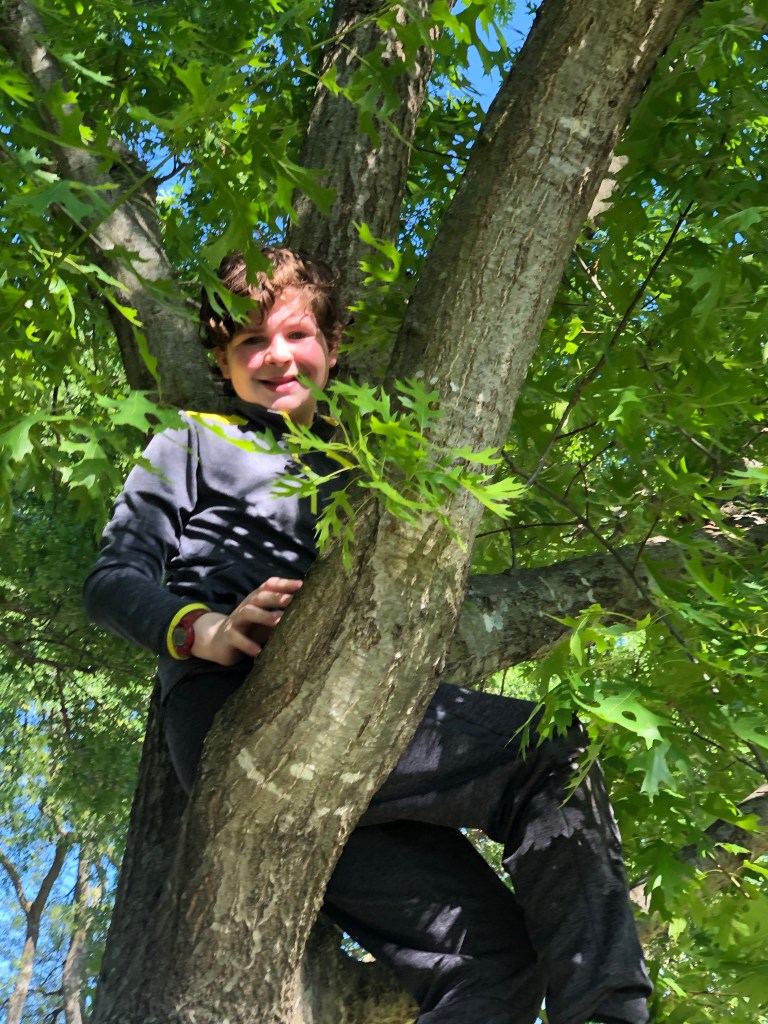
Neighborhood children still knock on your door in the hopes that someone can come out to play. “Who’s that one?” I asked pointing up in the tree one afternoon. “I don’t know,” you smiled, content in the knowledge that your long empty nest is still a safe place to land. “I’m sure he’s a friend of somebody’s.”

For as long as I can remember there has always been room for one more at your table: whether for a friend we drug home without warning in our teens, or bonus sisters from across an ocean and our ever expanding family, or even now, for world weary grownup children who stop by unannounced when these in-the-middle-years get the best of us and we need a moment’s respite.

You in your chairs, pets stretched across laps, your warm greeting blending with the smell of supper on the stove are among the most comforting things in my memory. In winter a cheerful fire in the fireplace warming my back until it’s hot to the touch. In summer, lazy swims and long talks under the moon, watermelon by the pool.

Washing my hands I catch my reflection in the mirror- the same one that’s seen my image since I was four. I’m older now, but the plush carpet beneath my bare feet and the pictures on the walls whisper the same comfort they always have. After dinner conversations roll easy off the tongue- the day’s worries and job and kids, dreams and heartbreaks and old neighborhood news.

Hugs goodbye- the most familiar ones I know- as I head for the door. “Goodnight. Thank you for dinner. Have a great week. Drive safe. I love you.” Each word heartfelt and steeped in belonging. This sense of home goes deep into my bones and warms me as I step into the cool night air and make the drive to the home I’ve built for my own children- may they always feel it’s call.

An unplanned evening made extraordinary by the ordinariness of it all. This place you’ve made a home- the love, the time, the daily welcoming in- is a gift I’m still unwrapping. It is a blessing to my life and to my children and their children and to too many others to count.

Thank you.

The Friends That Stay

 At a recent conference I honed my craft and spent precious time with friends both old and new. Some I hadn’t seen in twenty years, but in the breath of “Hello,” time collapsed. It is one of life’s great blessings to have friends like that. You know the ones? The ones where it doesn’t matter that twenty years have come and gone, and picking up right where we left off is as natural as the laugh lines that now crease our faces.

We spoke of everything and nothing. Children born, life lived, friends we missed, victories won, and lessons learned. 

We laughed til we cried, talking into the wee hours of the morning as we rushed to fill the gap of years in the span of days, yet lingered over conversations poured out like wine that time might move more slowly. 

There is a sacredness here. In the celebrated and mundane. In sharing a meal and breaking bread- whether at the trendy hotel bistro between sessions or around a campfire in the Canadian Wilds when all we had was time. It shows up when we commit ourselves to community, to living up close and in the real. Somewhere in the sweating and the swearing and the striving and the praying and working towards a common goal, a gift emerges. 

Come as you are, let down your hair, pull up a chair, and stay awhile, only friendship is being served. Through reminiscence, new adventures, clinical and philosophical discussions, loud card games, and late night talks, we unfold our lives in turn. There is no hiding here. And no need for it either. They earned the right to speak truth into my life long ago, and that doesn’t fade with time. 

“We collect people,” one of them said, speaking of her own life, and where it’s taken her. This humble statement whispered, both simple and profound, catches me off guard. Collecting people, I can’t help but think, what’s more beautiful than that? As we go through this life don’t we all, if we’re wise, find a few souls to pull close and pour into? And in so emptying ourselves, are filled in return, a blessing pressed down, running over.